Categories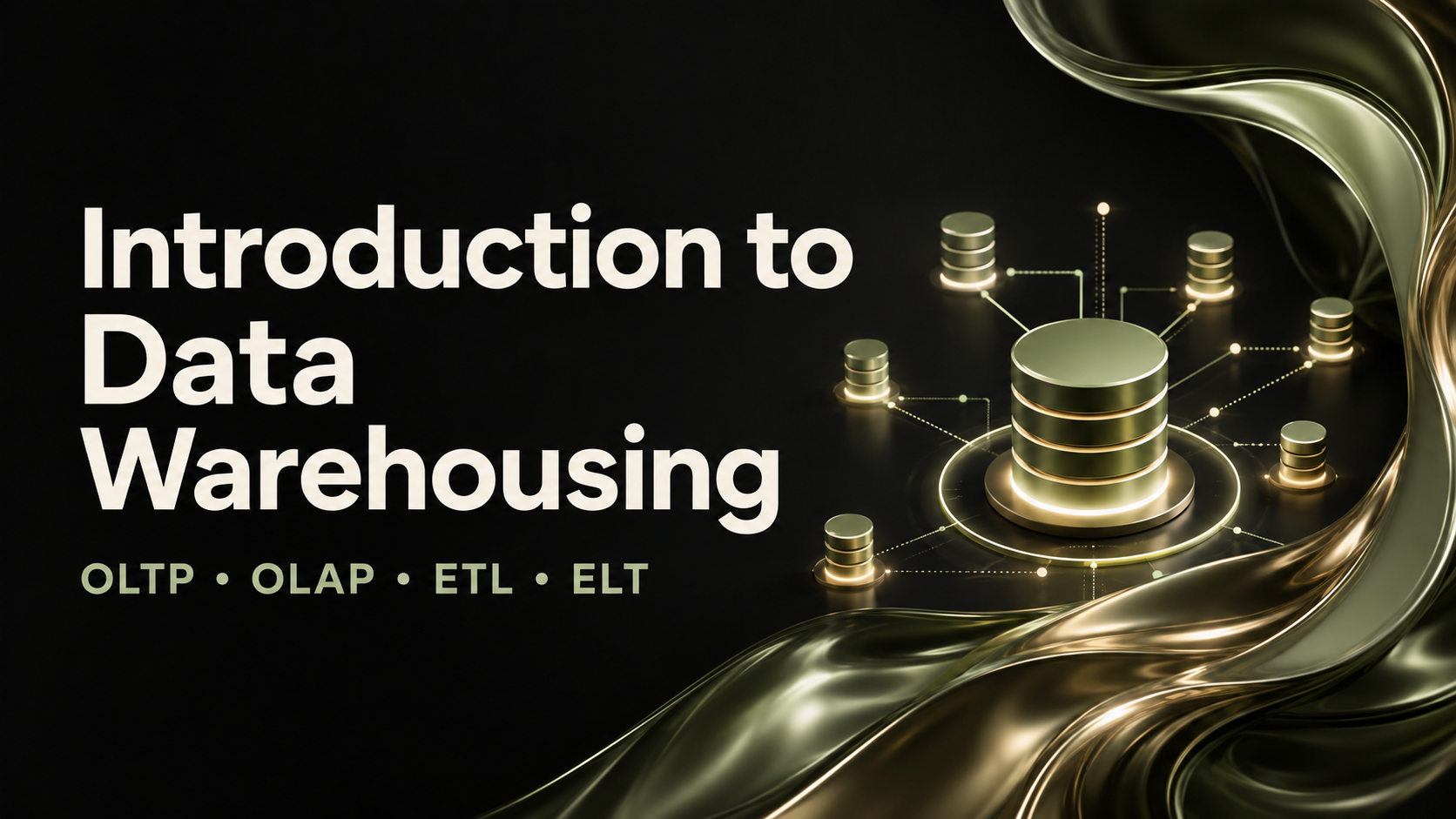





Introduction to Data Warehouse
☰

Introduction to Data Warehouse
- (0 Reviews)
- 21 students enrolled
Introduction to Data Warehouse
Learn the fundamentals of data warehousing, including OLTP vs. OLAP, star schemas, ETL vs. ELT, incremental loading, reliable data pipelines, and warehouse platform selection.
- (0 Reviews)
- 21 students enrolled
Requirements
- PHP, Python, MySQL, Postgres
Description
This introductory course explains how data warehouses help organisations analyse large volumes of historical data without affecting live production systems. Learners will explore the differences between OLTP and OLAP workloads, understand why production queries become slower as data grows, and learn how warehouse architecture addresses these challenges. The course also introduces star-schema design, fact and dimension tables, ETL and ELT approaches, incremental data loading, watermarks, idempotent pipelines, upserts, and safe retry mechanisms. It concludes with an overview of self-hosted databases, managed cloud warehouses, and lakehouse platforms. By the end of the course, learners will understand the core concepts required to design scalable, efficient, and trustworthy data warehouse solutions.
Recent Courses
- September, 30th 2026
- 7
A visual introduction to Blue Eyes Technology — IBM's pioneering research into computers that sense human attention, emotion,..
- Free
- September, 22nd 2026
- 12
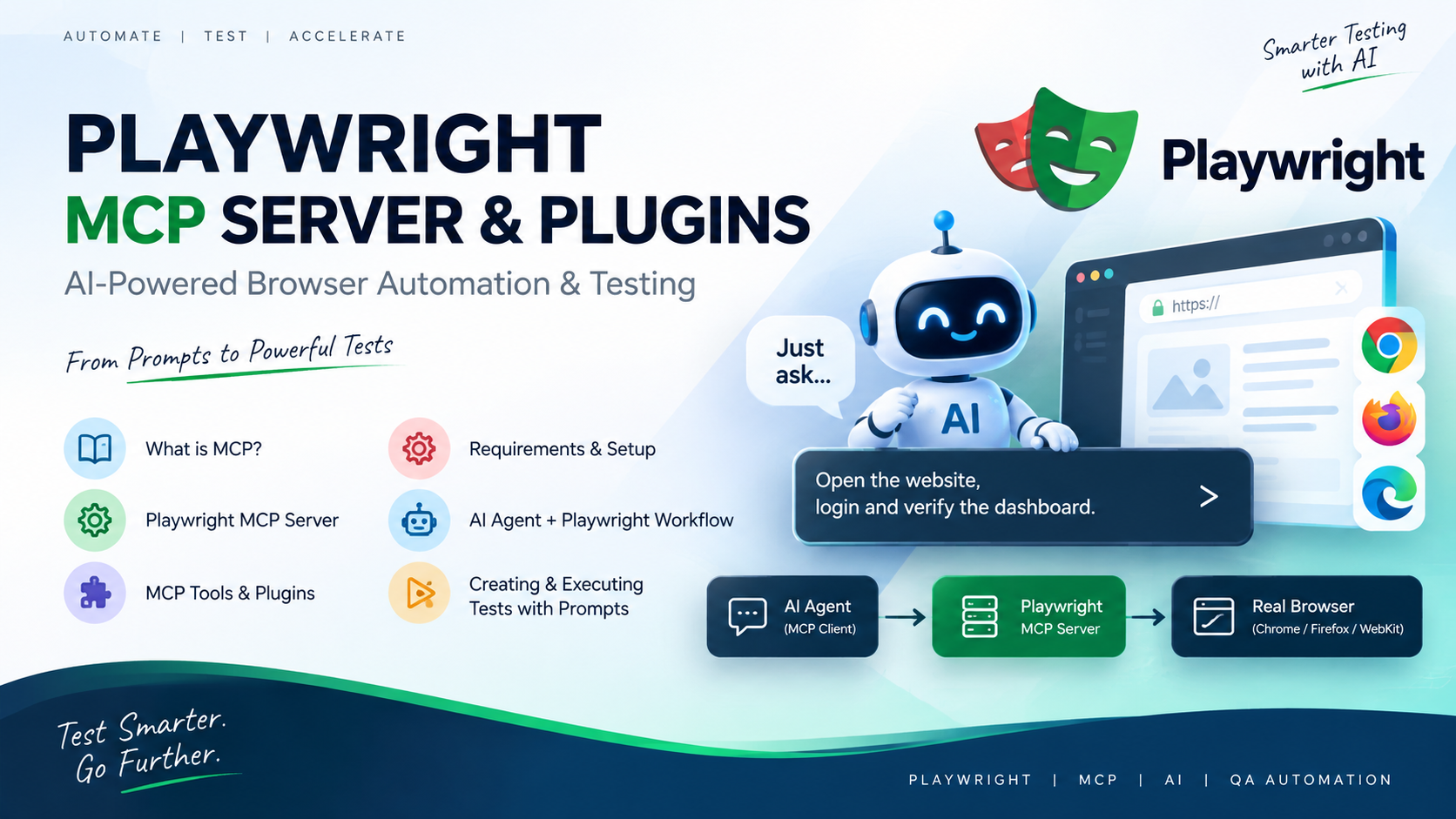
1. What is MCP? MCP (Model Context Protocol) is a standard that allows AI models to connect with external tools and use th..
- Free

- September, 21st 2026
- 47
Protecting data isn't only an IT responsibility. Every person who accesses, stores, sends, or handles information is part of..
- Free

- September, 17th 2026
- 13
Secure Coding Practices :2026-2027 :Q2
- Free
About Instructor